Once you've decided you want professional help with your home, the next question is finding the right designer. A beautiful portfolio is a good place to start, but it only tells you part of the story. The right interior designer should fit your project, your priorities, your budget, and the way you want to experience the design process. Here's what to look for before you hire one.
Start With the Level of Support You Need
Before comparing designers, think about how much help you actually want. Some homeowners need guidance on a few decisions. Others want a designer to manage the entire project. Interior design consulting can be a good fit if you want professional direction while handling much of the implementation yourself. Full-service interior design offers a more involved experience, with the designer managing the design, sourcing, coordination, and other details through completion. Virtual design can also work well when you want professional guidance without ongoing in-person services. There is no single right level of service. The important thing is finding a designer whose services match what you need.
Look Beyond the Portfolio
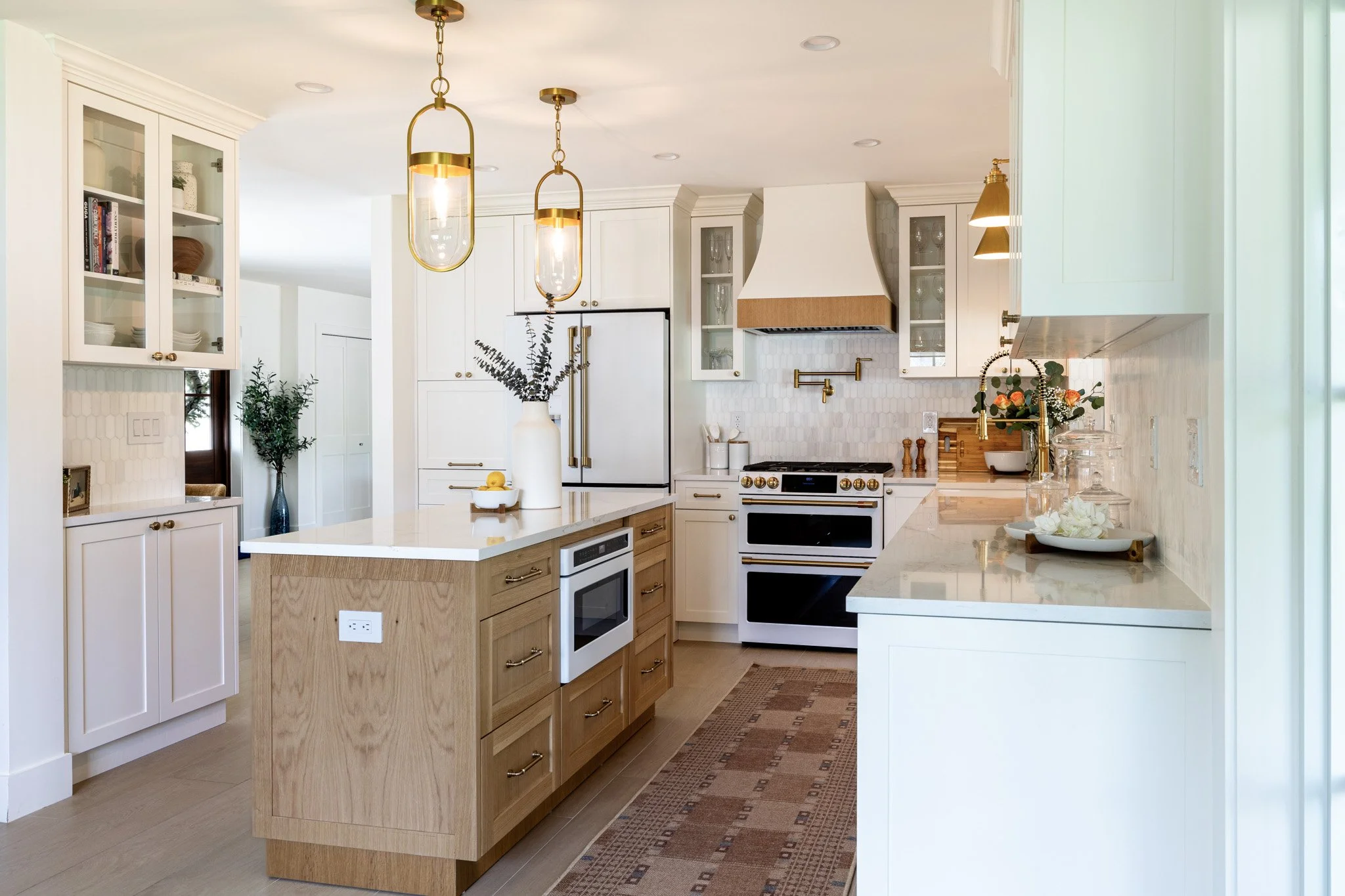
A designer's portfolio should give you a sense of their aesthetic, but don't stop there. Look at several projects and consider how they approach different spaces, property types, and client needs. Pay attention to the details. Does the furniture feel appropriately scaled? Do the materials work together? Does the space look comfortable as well as beautiful? Can you see thoughtful planning behind the finished room?
Most importantly, consider whether you can imagine the designer creating something that feels like your home. A strong designer should be able to bring their perspective to a project while still creating a space that reflects the person who lives there.
Find a Designer Whose Approach Fits Your Style
You don't need to find a designer whose portfolio looks exactly like your inspiration boards. In fact, a designer's ability to work across different aesthetics can be an advantage. Instead, look at how they approach design. Do they favor timeless materials or follow current trends? Do their spaces feel highly styled or more relaxed and livable? How do they balance their own creative perspective with a client's preferences?
You can also ask how they approach projects when a client's taste differs from their own. Their answer can tell you a lot about how collaborative the relationship will be.
Consider Their Experience With Your Property
The type of home you're designing can have a major impact on the project. This is especially true in Miami. A Brickell high-rise may involve building approvals, elevator restrictions, delivery requirements, and fixed layouts. A single-family home in Coral Gables may involve a very different set of considerations. Waterfront properties can bring their own challenges as well.
If you're working on a condo, ask whether the designer has experience with high-rise or multi-unit properties. Familiarity with building management, approvals, deliveries, and installation can make the process much easier. For larger residential projects, you may want a designer who is comfortable coordinating renovations, contractors, custom furnishings, procurement, and multiple vendors. You don't necessarily need a designer who has worked on your exact type of property dozens of times. What matters is that they understand the practical considerations that can affect the project and know how to account for them during the design process.
Ask How the Design Process Works
Before hiring an interior designer, find out what the process actually looks like. This can vary significantly from one studio to another. A full-service project may include an initial consultation, space planning, concept development, material and finish selections, furniture and lighting selections, procurement, vendor coordination, delivery, installation, and styling. Ask which services are included and who handles each part of the project. A designer who creates the design and hands the rest back to you provides a different experience from a full-service designer who manages the details through completion.
You should also understand what happens between major stages. How are design decisions presented? How are revisions handled? When do you make selections? When does procurement begin? The clearer the process is from the beginning, the easier it is to understand what you're hiring the designer to manage.
Understand What Is Included in the Fee
Interior designers use different pricing structures. Some charge hourly rates or flat project fees. Others use a combination of fees and product markups. The pricing structure is only part of the equation. You also need to understand what you're getting for that investment. Ask whether furniture sourcing is included. Find out who places orders and tracks deliveries. Ask whether installation is managed and whether contractor coordination is part of the service. You should also know whether additional site visits, revisions, or other services are billed separately. Two designers can quote very different fees while providing very different scopes of service. When comparing proposals, look at the full experience rather than the price alone.
Find Out Who Will Manage Your Project
If you're hiring a design firm, ask who will actually be working with you throughout the project.
You may meet with the principal designer during your consultation, but another designer or project manager may handle much of the day-to-day work. That's not necessarily a problem. You simply want to understand the structure before you begin.
Ask who will communicate with you, develop the design, coordinate vendors, manage orders, visit the property, and handle issues when something changes or arrives damaged.
Knowing who is responsible for the day-to-day details can give you a better sense of how the project will run.
Pay Attention to the Questions They Ask You
Your consultation should be about more than showing a designer your inspiration photos. A good designer will want to understand how you actually live.
Expect questions about what is and isn't working in your home. They may ask how you use each room, how you entertain, what you want to change, what you want to keep, and how you want the finished space to feel. Your budget and timeline should also be part of the conversation, along with how involved you want to be in the process. A designer who takes the time to understand those things can make more informed decisions throughout the project. Good design starts with understanding the person behind the space.
Look at Communication and Organization
You'll spend a lot of time communicating with your interior designer, especially during a larger project. Pay attention to that experience from the beginning. Are they responsive? Do they explain their recommendations clearly? Do they listen to your concerns? Do they set realistic expectations about timelines and costs? Design involves a lot of decisions, along with changes, delays, and unexpected details from time to time. You want a designer who can communicate clearly and keep the project moving when those things happen.
Make Sure They Understand Your Budget
Your budget should be discussed early in the process. A designer should be able to help you understand what is realistic for your project and where your investment will have the most impact. Keep in mind that your design fee and your total project investment are not necessarily the same thing. Furniture, materials, construction, shipping, installation, and other expenses may be separate. Ask what you can realistically accomplish within your budget. This gives the designer an opportunity to recommend an appropriate scope and helps prevent surprises later.
Read Reviews and Ask About the Client Experience
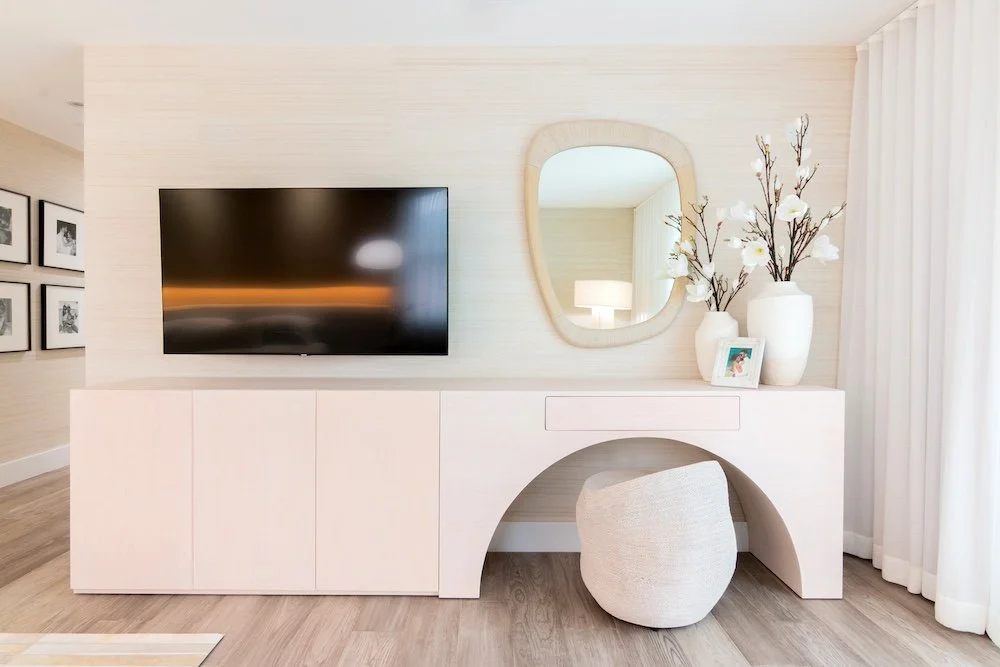
A portfolio shows you the finished result. Reviews can tell you what it was like to get there. Look for feedback about communication, organization, responsiveness, professionalism, and problem solving. If references are available, consider asking former clients about their overall experience. You can also ask what they found most valuable about working with the designer. Their answer may give you a better sense of the designer's strengths than a portfolio ever could.
Think About the Relationship You Want
One of the most important things to consider is how involved you want to be. Some homeowners want to make most of the decisions themselves and use a designer for professional guidance. Others want to hand over the details and have someone manage the process from beginning to end. These approaches require different levels of service. The right designer should fit the way you want to work. You should feel comfortable asking questions, giving feedback, and trusting their expertise when you want professional guidance.
Questions to Ask an Interior Designer Before Hiring Them
Before choosing an interior designer, ask about their experience, process, services, and communication. You should also understand who will manage your project and what will be handled by the designer versus other vendors or contractors. Some useful questions include:
What types of projects do you typically work on?
Do you have experience with homes like mine?
What does your design process look like?
How do you structure your fees?
What costs are separate?
Who handles procurement and installation?
Who will be my main point of contact?
How do you communicate with clients during a project?
How do you approach budget changes or unexpected issues?
What is a typical project timeline?
Can you provide references from recent clients?
You don't need to ask every question during your first conversation. The goal is to leave the consultation with a clear understanding of how the designer works and whether their approach feels right for you.
Choosing an Interior Designer in Miami
Choosing an interior designer is about more than finding someone whose work you admire. You are also choosing a process, a level of service, and a professional relationship. For Miami homeowners, property experience can be another important consideration. A designer familiar with local condos, high-rise buildings, renovations, sourcing, and installation can bring valuable knowledge to a project. Take the time to look beyond the portfolio. Understand what the designer offers, how they communicate, what their services include, and how involved they will be once the project begins. The goal is to find a designer who fits both your project and the experience you want to have along the way.
Frequently Asked Questions
What should I ask an interior designer before hiring them?
Ask about their experience with projects like yours, their design process, and what services are included. You should also understand how they structure their fees, what costs are separate, who will manage procurement and installation, and who your main point of contact will be. It is also worth asking about communication, project timelines, revisions, and how they handle unexpected issues or changes.
Finally, ask questions that help you understand what it will be like to work together. You should leave the consultation with a clear idea of what the designer will manage, what will be expected from you, and whether their approach feels like a good fit for your project.
How do I know if an interior designer is right for me?
Look for a designer whose experience, design approach, services, and communication style align with your project and expectations. You should also consider whether you feel comfortable communicating with them and trusting their judgment. Interior design involves many conversations, decisions, and changes, so finding someone whose working style feels natural to you can make the experience much better. The right fit should understand your goals, respect your budget, and offer the level of involvement you want throughout the process.
How do I find an interior designer in Miami?
Start by searching for designers who specialize in the type of project and property you have. Searches such as “interior designer in Miami,” “Miami condo interior designer,” or “full-service interior designer Miami” can help you find local firms. You can also use Google Business Profiles, Houzz, design directories, and recommendations from architects, contractors, and local real estate professionals.
Once you have a shortlist, look beyond the portfolio. Compare each designer's services, experience with similar properties, design process, client reviews, and approach to project management. An initial consultation can then help you determine whether the designer is a good fit for your project and the experience you want.
Ready to Talk Through Your Project?
If you're considering interior design for your Miami home, the best place to start is a conversation. Eskae Interiors offers full-service interior design, consulting, and virtual design services tailored to the needs of each project. Whether you're furnishing a new space, rethinking your current home, or planning a larger renovation, we can help you determine the right level of design support for your needs. Reach out today to book a consultation.